

Growing crops all year-round: Practical steps for farmers
With Dr Sycroax Tiyesa Ndhlovu
Small and medium-scale farmers can increase income and improve household food security by adopting simple, disciplined approaches to year-round crop production, even with limited resources.
What excuse can crop farmers give for not growing crops throughout the year, especially in the 2025/2026 farming season?
This season has been favourable. Apart from floods in some areas, rainfall has been sufficient, unlike the 2022/2023 season, which was severely affected by drought. This presents an opportunity for farmers to rethink their approach to production.
However, common concerns remain. Some farmers argue that irrigation equipment is too expensive, while others point to limited access to loans for boreholes, dams and irrigation systems.
While these challenges are real, they are not new. The more important question is what practical steps farmers can take using the resources already available to them?
Farming, is not just an activity. It is a business and a livelihood. Like any other business, it requires planning, discipline and reinvestment.
One key challenge among small and medium-scale farmers is limited saving and reinvestment. Income from farming is often used for immediate needs, leaving little for long-term investment.
Yet even small, consistent savings can make a difference.
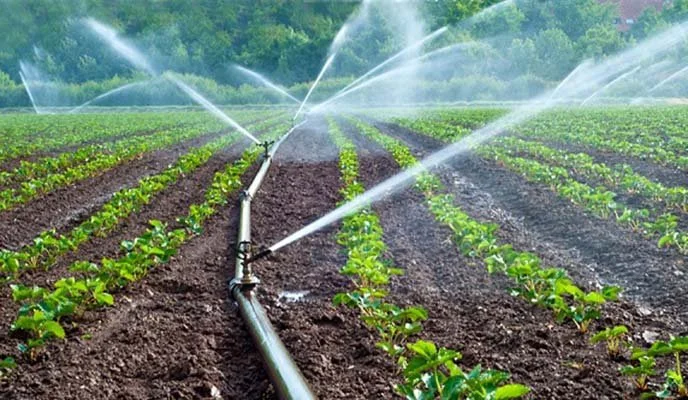
For example, setting aside modest amounts from sales, whether from vegetables, poultry, goats or other farm produce, can gradually build capital. Over time, this can support investments such as small irrigation systems, water harvesting structures or dam construction.
The principle is simple. Start small and grow steadily.
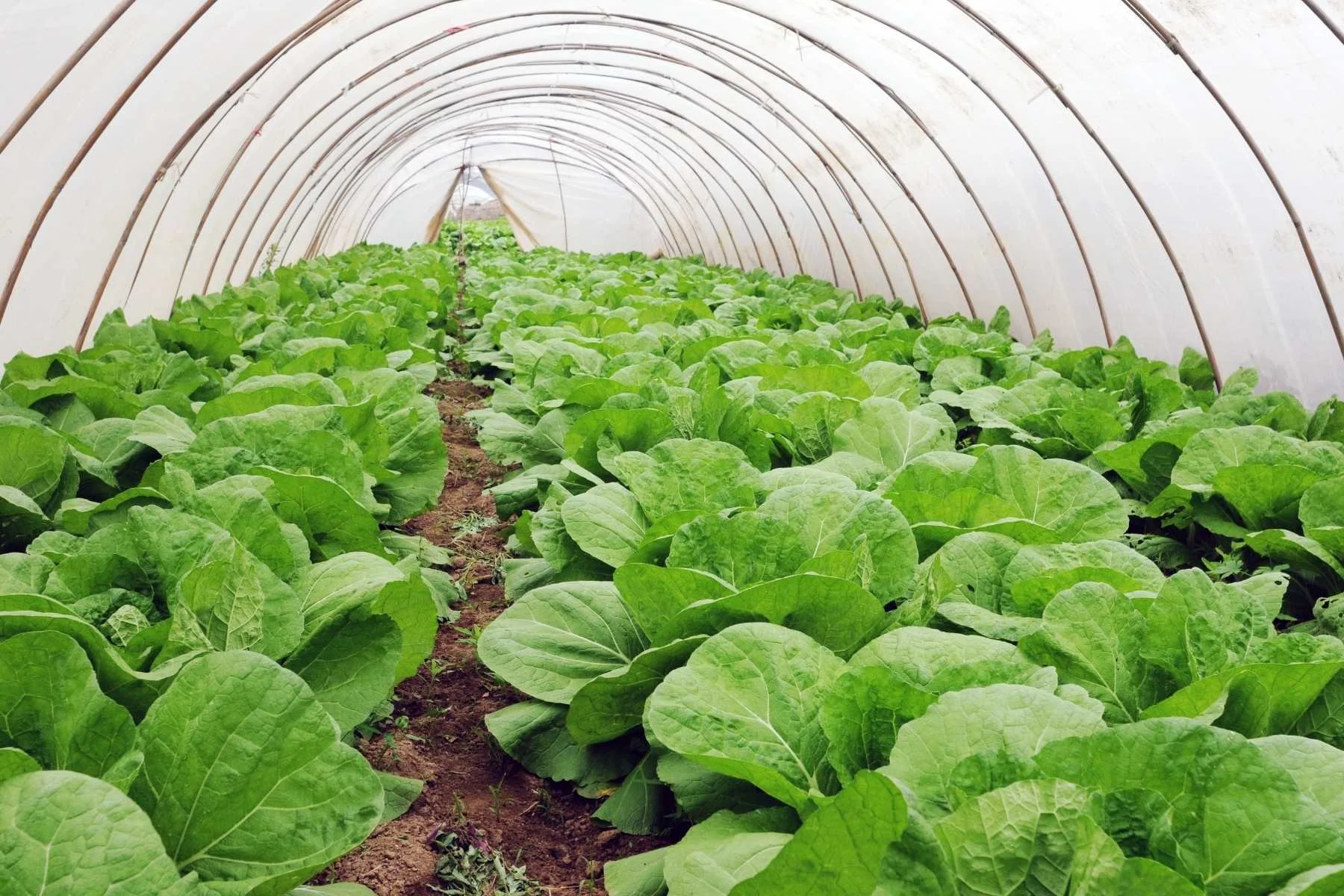
Farmers can begin by utilising available land near water sources such as streams or dambos. Growing vegetables during the dry season can provide regular income and improve household nutrition.
It is important to manage this income wisely. Rather than increasing spending immediately, farmers should maintain their current standard of living and channel additional income into savings and reinvestment.
As savings grow, farmers can expand their operations step by step. They can invest in water infrastructure and increase production capacity. This gradual approach strengthens resilience and reduces dependence on external support.
Successful farming businesses are built on consistency. Profits should be treated as capital for growth, not just income for consumption.
Ultimately, the responsibility for year-round production lies with the farmer. While external support can help, sustainable progress depends on individual initiative and long-term planning.
There is a common saying among Cichewa-speaking communities in Eastern Province:
“Wamvam’mimba ndiye atsakulako.”
Meaning: He who feels the need is the one who takes action.
Farmers understand their own challenges better than anyone else. By taking deliberate steps, no matter how small, they can move towards continuous production and improved livelihoods.
With the right mindset and commitment, year-round crop production is achievable for many small and medium-scale farmers.
(The author is a farmer and former Principal Agricultural Information Officer, as well as former Agricultural Radio Programme Producer and Presenter under National Agricultural Information Services (NAIS) in the Ministry of Agriculture.)
Ready to Start Your Project?
Fill out the short form and we’ll get back to you within one business day—no pressure, just a friendly chat about how we can help.