DRC market: Zambia misses out
By FD WRITER
Zambia sits right next door to the Democratic Republic of Congo, a country of more than 100 million people and one of Africa’s largest consumers of imported food. On paper, Zambian farmers should be the first suppliers to Congolese markets.
But that is not what is happening.
Despite sharing a border, Zambia is still only scratching the surface of this vast market. Countries located much farther away, especially South Africa, have established stronger and more consistent agro trade links with Congolese buyers.
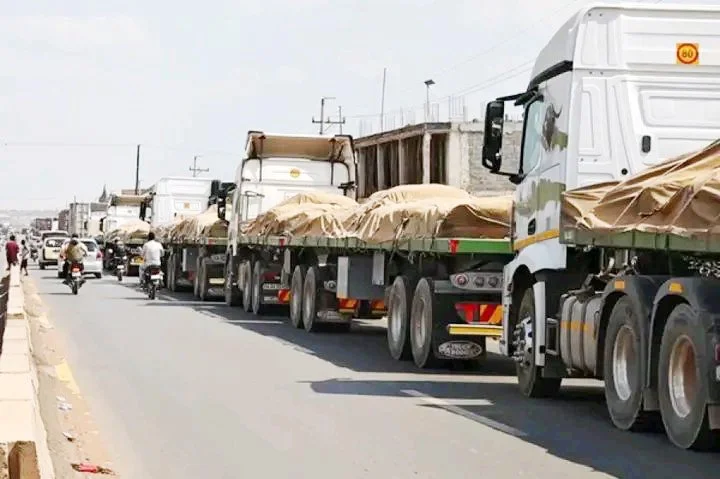
In 2024, Zambia’s total exports to the DRC reached about US$1.2 billion, making Congo one of the country’s biggest trading partners. Yet most of that trade is in manufactured and industrial goods. Food staples, the products local farmers produce, form only a small fraction.
Cereals, flour and related products accounted for roughly US$84 million of that total trade value. For a country with Zambia’s agricultural potential, that figure raises important questions.
A Market That Buys
What It Eats
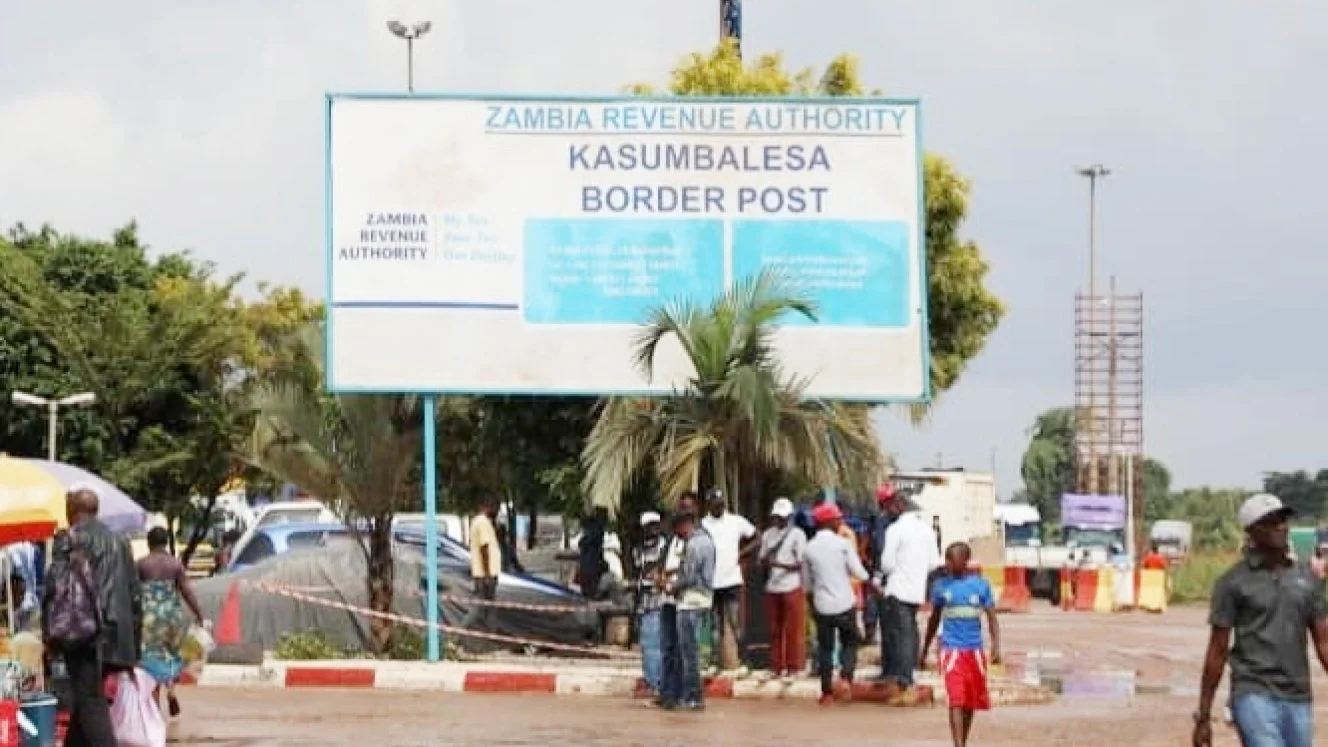
A visit to Kasumbalesa tells its own story and attests to Congo’s huge appetite for food staples.
Congolese traders cross daily to buy mealie meal, fresh vegetables, chickens, eggs and fish. Many are retailers, transporters, miners, service providers and artists rather than full time farmers. They buy to resell in Lubumbashi, Kolwezi and other growing urban centres.
Congo imports huge volumes of food each year to feed its expanding population.
Yet Zambia’s share remains modest.
For example, cereals exported from Zambia to the DRC were valued at only about US$338,000 in 2023. Processed cereal products such as flour and starch were just under US$500,000.
These figures remain small when compared to Congo’s overall food import needs.