Farming is serious business, says Remnant farmer
…Ruth Sibanda says traditional ‘chipantepante’ farming approach setback to sector
By FD WRITER
Two Hats
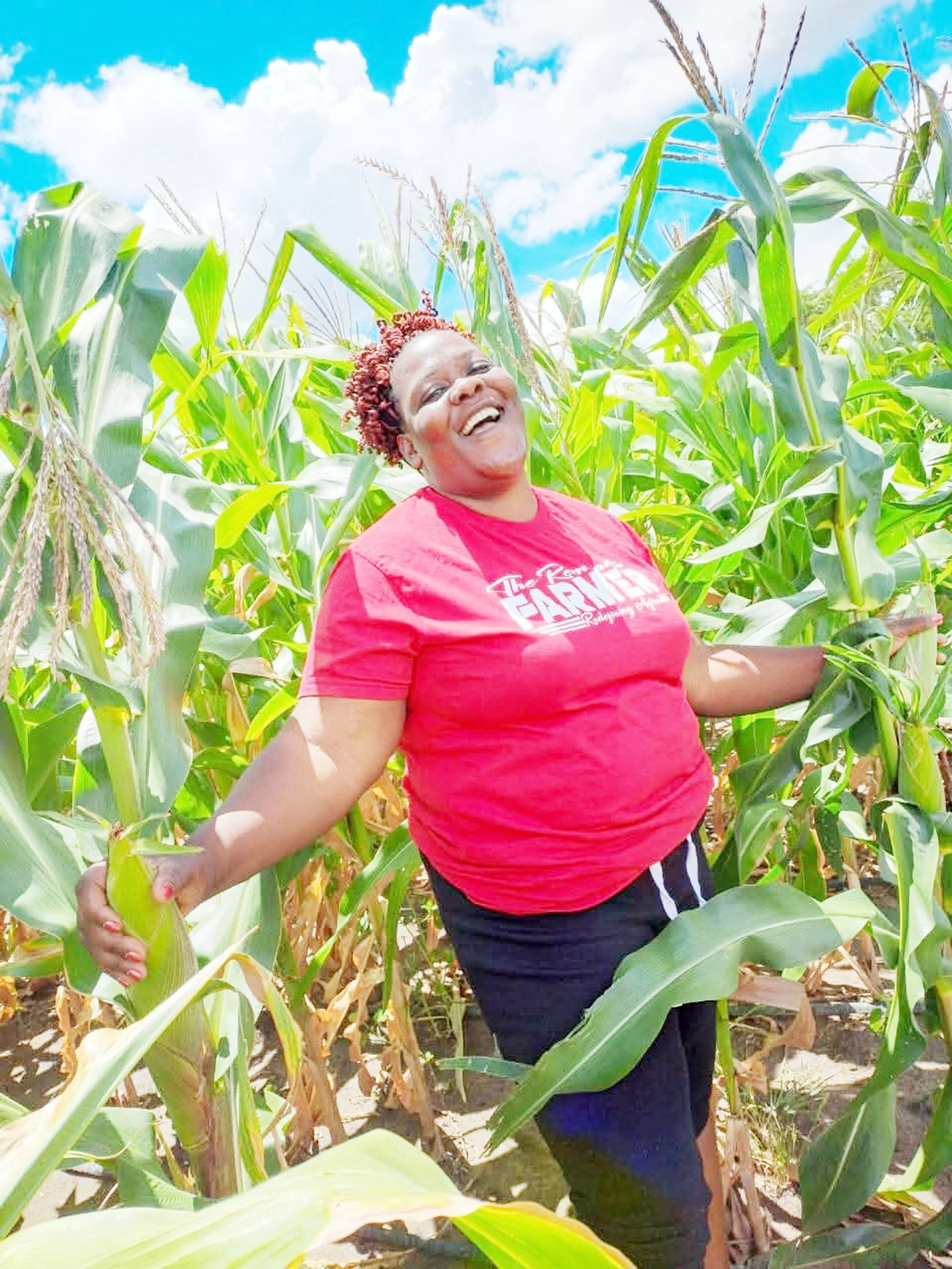
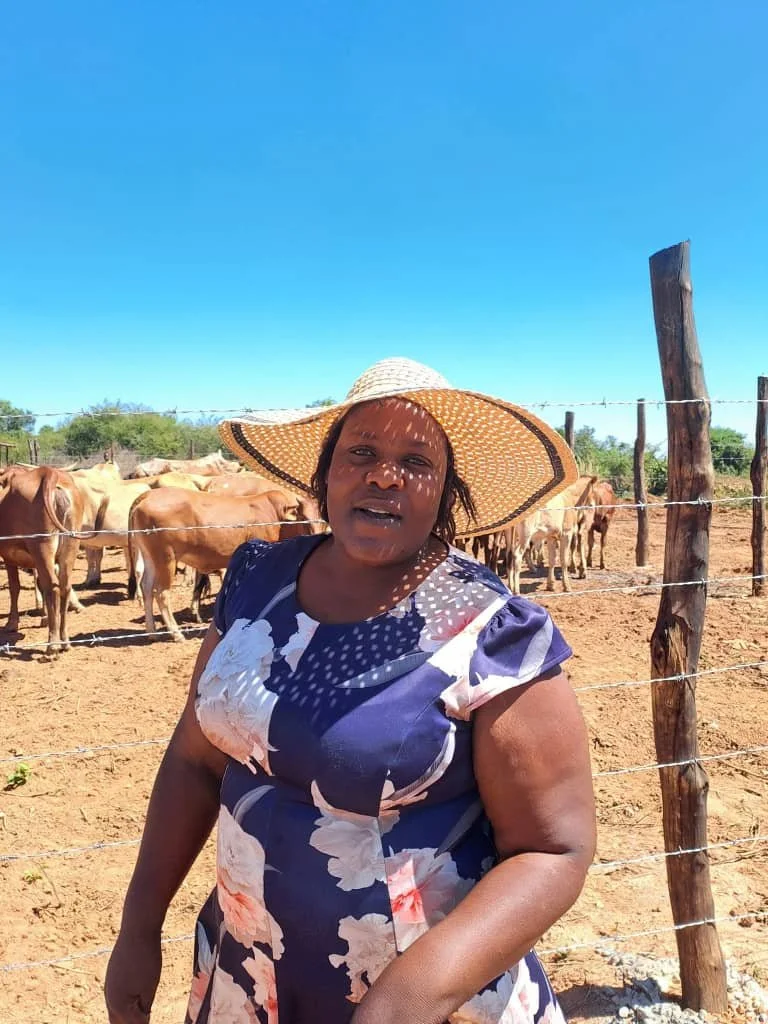
At Lilayi Secondary School, Ruth Sibanda starts her day teaching students, but the classroom is only the opening act. As soon as lessons end, she moves to her multiple integrated farms, where the real work begins—training farmers hands-on in chili, ginger, garlic, and livestock.
“Why sit idle after teaching my subjects when I can be doing something productive?” she laughs, radiating energy. With over 160,000 people trained since 2021 across more than 30 countries and 64 WhatsApp groups buzzing with market tips, Ruth has proven that farming can be profitable, practical, and empowering.
Roots and Turning Point
Ruth’s love for farming was rooted in her childhood in Mukonchi, Kabwe, Central Province, where her grandparents practiced traditional farming. “I am a born farmer,” she quips. She watched them toil, yet their produce was often taken advantage of by middlemen. “We were farming to survive, not to profit. By then, I didn’t have this mindset I have now,” she recalls with nostalgia.
Her turning point came later in life. Though she didn’t study agricultural science at university, Ruth realised that farming could be a business, as long as there was a defined market—that crops could be grown and sold for profit without middlemen.
“Having grown on a farm, my brain wiring is that money is plucked from the soil,” she intones, laughing. Motivated by this insight, she took her first entrepreneurial step: ordering and selling chili seedlings, earning K40,000, which she reinvested as capital. That first sale marked the beginning of her journey to transform agriculture in Zambia.
Farming is serious business — Remnant farmer
By FD WRITER
Two Hats
At Lilayi Secondary School, Ruth Sibanda starts her day teaching students, but the classroom is only the opening act. As soon as lessons end, she moves to her multiple integrated farms, where the real work begins—training farmers hands-on in chili, ginger, garlic, and livestock.
“Why sit idle after teaching my subjects when I can be doing something productive?” she laughs, radiating energy. With over 160,000 people trained since 2021 across more than 30 countries and 64 WhatsApp groups buzzing with market tips, Ruth has proven that farming can be profitable, practical, and empowering.
Roots and
Turning Point
Ruth’s love for farming was rooted in her childhood in Mukonchi, Kabwe, Central Province, where her grandparents practiced traditional farming. “I am a born farmer,” she quips. She watched them toil, yet their produce was often taken advantage of by middlemen. “We were farming to survive, not to profit. By then, I didn’t have this mindset I have now,” she recalls with nostalgia.
Her turning point came later in life. Though she didn’t study agricultural science at university, Ruth realised that farming could be a business, as long as there was a defined market—that crops could be grown and sold for profit without middlemen.
“Having grown on a farm, my brain wiring is that money is plucked from the soil,” she intones, laughing. Motivated by this insight, she took her first entrepreneurial step: ordering and selling chili seedlings, earning K40,000, which she reinvested as capital. That first sale marked the beginning of her journey to transform agriculture in Zambia.