Bees: Gentle Pollinators That Know You by Face
By KRIS CHILOMBE
What are bees?
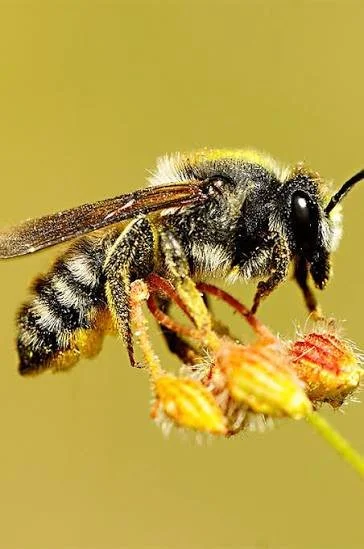
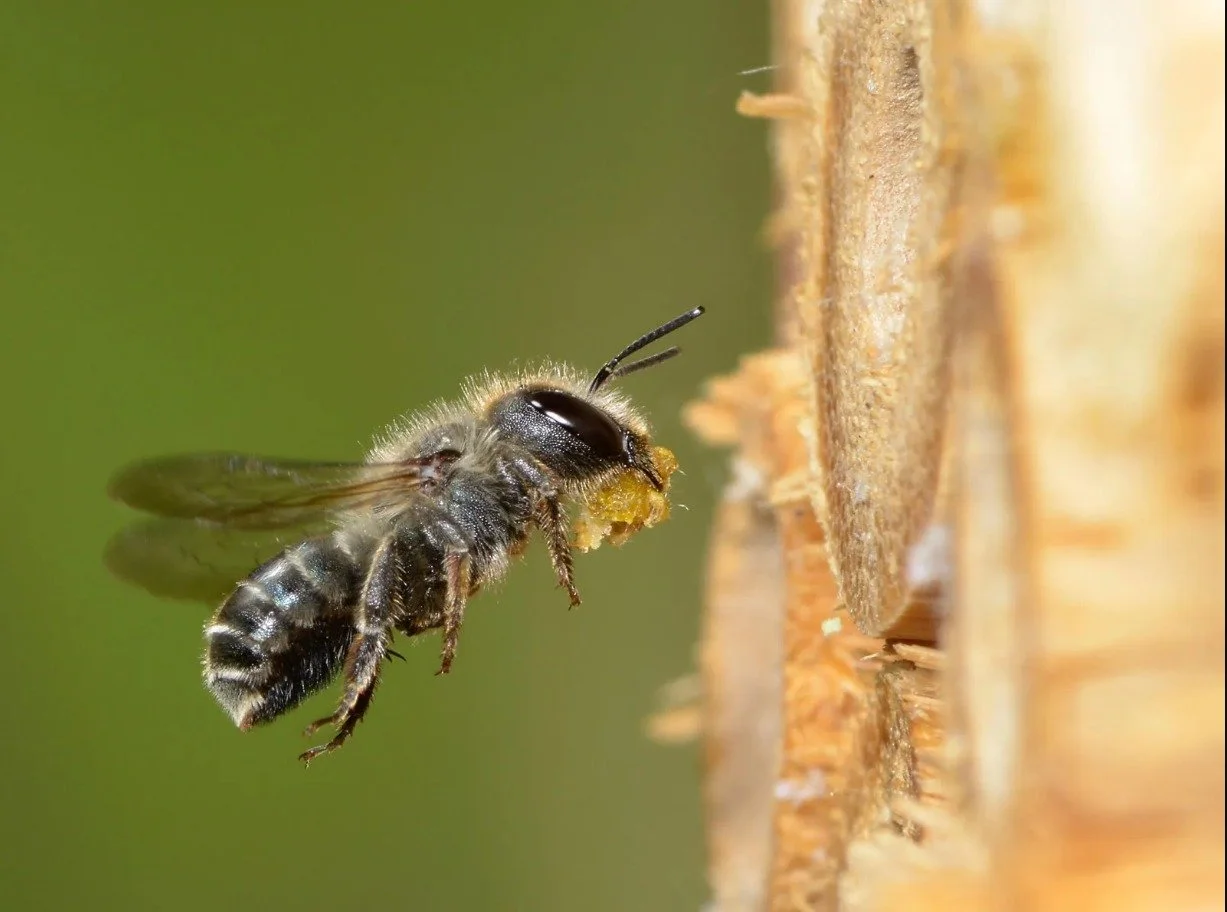
Bees are winged insects in the order Hymenoptera and a type of arthropod found worldwide, except Antarctica, where there are no trees. They are closely related to wasps and ants, recognised for their vital role in pollination, and have three main body sections with six hairy legs that collect pollen.
Honey Bees and Other Species
There are over 20,000 known bee species, classified into seven families: Apidae, Megachilidae, Halictidae, Andrenidae, Colletidae, Melittidae, and Stenotritidae. They include social species like honey bees and solitary bees. Honey bees are generally docile, friendly, and non-aggressive, stinging only when threatened or defending their hive.
Why Bees Matter
Bees are essential pollinators, transferring pollen between flowering plants. They maintain ecosystems, support biodiversity, provide food and habitats for wildlife, and act as indicators of environmental health. Foraging honey bees focus on collecting nectar and are far less aggressive than wasps.
What Happens If a Bee Lands on You?
If a bee lands on you, it is usually exploring or curious, not attacking. Stay calm and avoid sudden movements, which bees may interpret as threats. Honey bees fiercely protect their honey and brood but sting only as a last resort, since stinging kills the bee.
Why Bees Love Urban Areas
Honey bees are drawn to towns and cities due to abundant flowering plants, diverse food sources, and sheltered nesting spots. Warm, sunny environments with water sources like pools or taps provide ideal habitats. Urban areas also offer more varied resources year-round than single-crop agricultural zones.
Where Bees Settle
Bees often nest in ceiling boards, soakaways, wooden ropes, sofas, cupboards, and old tyres. When bees settle in a house, they first “master” household members, including pets.
Bees Can Recognise Faces
According to Dr Adrian Dyer of La Trobe University (now RMIT University) in Melbourne and Cambridge University in the UK, honey bees can recognise human faces. This allows them to avoid stinging familiar humans. However, if provoked, they will sting anyone—including dogs, chickens, cats, or rats—who moves near the nest.
A Wise Companion
Bees are intelligent, protective, and indispensable for the environment. Understanding their behaviour helps us coexist safely and appreciate their role in sustaining life on Earth.